Smart Pet Tech: Accessibility for Seniors & Disabled
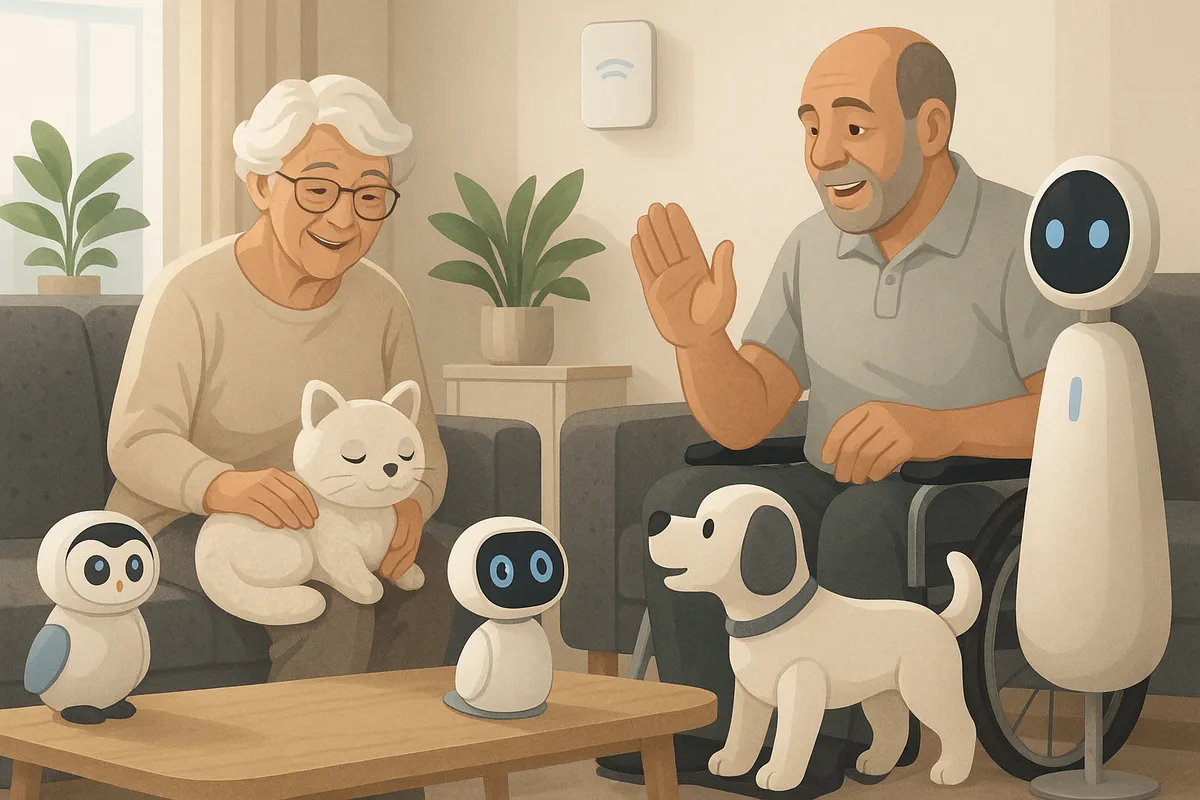
Smart Pet Tech for Seniors and People with Disabilities: Accessibility Features
Introduction
In an increasingly tech-driven world, smart pet technology is emerging as a vital tool to support seniors and individuals with disabilities. These innovative devices provide emotional, physical, and cognitive assistance, offering companionship and practical support without the demands of traditional pet ownership. This article explores how smart pet tech is being tailored with accessibility features in mind, enhancing the lives of those who need it most.
Overview of Smart Pet Tech for Accessibility
Smart pet technology encompasses robotic pets, AI companions, wearable devices, and interactive toys. These devices are designed to offer companionship, emotional support, and assistance without the burdens of live pets. The technology is particularly beneficial for individuals who may struggle with the challenges of owning a live animal, offering a low-maintenance and allergen-free alternative.
Accessibility Features for Seniors and People with Disabilities
Soft, Tactile-Friendly Design
Smart pets often feature soft, realistic fur and respond to touch and sound, making them ideal for dementia care and anxiety reduction.
Voice and Gesture Control
Hands-free interaction is a key feature, allowing users with mobility or dexterity challenges to engage with their pet through voice commands or gestures.
Health and Safety Monitoring
AI pets can remind users about medication, detect falls, and monitor daily routines, enhancing safety and well-being.
Smart Home Integration
Integration with systems like Alexa or Google Nest allows users to control lights, doors, or alerts via the pet interface, adding convenience and security.
Low-Maintenance and Allergen-Free
Robotic pets require no feeding, grooming, or cleaning, making them suitable for seniors with limited energy or allergies.
Notable Examples & Case Studies
Paro
A therapeutic robotic seal used in nursing homes, recognized as a Class II medical device, providing emotional comfort.
Hyodol
A South Korean care robot that reminds users to take medication and monitor movements, enhancing daily living.
PECOLA
A companion robot that offers fall detection, meal and sleep monitoring, and emergency alerts, leveraging ambient intelligence.
ElliQ
An AI-powered social robot promoting independence and social engagement among older adults. The latest version, ElliQ 3, launched in January 2024.
AI Companion Pets
Robotic or virtual pets offering medication reminders, emotional support, and smart home integration.
Emerging Innovations & Research Trends
Gesture-Controlled Robotic Pets
Robots responsive to hand gestures and head movements offer intuitive interaction.
Audio LLM-Based Systems
Devices capable of understanding unclear speech or non-speech audio improve accessibility for elderly users.
Wearable and Sensory Augmentation
Haptic collars and LED guidance systems help visually impaired pets navigate, highlighting inclusive design trends.
Smart Pet Wearables as Biometric Triggers
These wearables integrate into smart home ecosystems, automating pet care and environmental adjustments.
Benefits & Impact
- Emotional Well-being: Reduces loneliness and anxiety, especially for those with dementia.
- Cognitive Support: Provides reminders, structured interactions, and mental stimulation.
- Physical Safety: Offers fall detection and emergency alerts.
- Independence: Reduces caregiver burden through smart integration and autonomous interaction.
Challenges & Considerations
- Cost and Accessibility: High-end models may be expensive, and subscription models may limit adoption.
- Ethical Concerns: Questions about emotional authenticity and human connection arise with robotic companionship.
- Technical Complexity: Setup and maintenance can be challenging for non-tech-savvy users.
- Privacy and Data Security: Devices may collect sensitive data.
Practical Tips for Consumers & Caregivers
- Assess Needs: Determine specific requirements such as emotional support or safety monitoring.
- Evaluate Ease of Use: Consider voice/gesture control, charging, and maintenance.
- Consider Support: Check manufacturer support and software longevity.
- Trial Options: Look for demos in care facilities or senior centers.
- Combine with Human Interaction: Use as a supplement, not a replacement.
Conclusion
Smart pet technology offers valuable support and companionship to seniors and individuals with disabilities. By understanding the available features and considering personal needs, consumers can make informed decisions to enhance their quality of life. As innovations continue to emerge, the role of smart pet tech will only grow, promising greater accessibility and support for those who need it most.