Accessible Smart Pet Tech: Automatic Feeders for Seniors and People with Disabilities
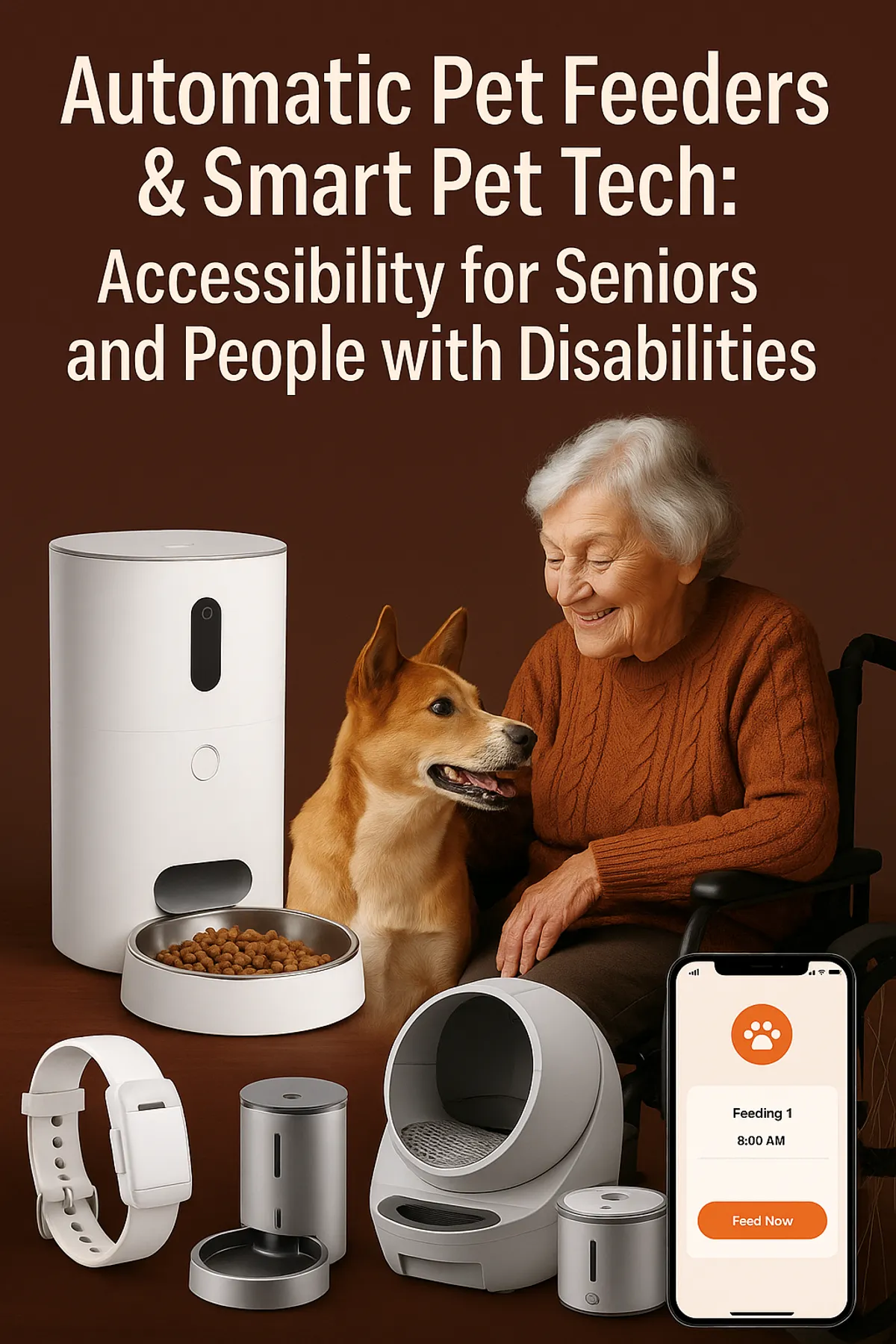
Automatic Pet Feeders & Smart Pet Tech: Accessibility for Seniors and People with Disabilities
As pets become like family, smart pet technology is making pet care easier than ever, especially for seniors and people with disabilities. Automatic pet feeders and related devices let pet owners schedule and dispense meals automatically, so pets eat on time even if the owner has mobility or memory challenges. This is a huge help for anyone who struggles with bending or lifting heavy food bags – an automatic feeder can keep a pet well-fed without needing the owner to stoop or carry heavy loads. And pets themselves bring proven health benefits: studies show that seniors who spend time with a pet often feel less lonely and stressed. By automating routine tasks like feeding, smart pet tech allows busy professionals and care-dependent individuals alike to enjoy the companionship of pets with fewer hassles.
Why Pets Matter for Seniors and People with Disabilities
Pets provide important emotional and physical benefits. Caring for an animal gives seniors a sense of purpose and daily structure, while pets help reduce loneliness and anxiety. For people with disabilities, a pet can encourage activity (for example, gentle play or walks) and boost mood. However, routine pet care tasks can become challenging:
- Mobility and bending: Tasks like carrying heavy bags of food or water, or bending over to fill bowls and litter boxes, can be painful or difficult. As one senior guide notes, bending to feed or scooping litter “can strain a bad back” for someone with knee or hip problems.
- Maintaining schedules: Forgetting a mealtime or medication can happen more easily if someone has cognitive difficulties or a chaotic schedule.
- Physical fatigue: Daily chores like walking the dog, cleaning, or playing with a pet can be exhausting if someone has limited strength or stamina.
These challenges mean accessible design is key: smart devices that reduce physical effort and provide reminders can keep pets healthy and owners safe.
How Automatic Pet Feeders Improve Accessibility
Modern automatic pet feeders address many of these challenges. They let you load a batch of food into the device and then schedule specific meal times and portions via a smartphone or timer. For example, many smart feeders connect to an app so you can set up a week’s worth of meals on your phone. When mealtime arrives, the feeder automatically dispenses the programmed amount. This removes the need to stoop and fill bowls daily, and ensures pets eat on time even if the owner is away or busy.
Key accessibility features of automatic feeders include:
- Remote scheduling & app control: You can program and adjust meals from a smartphone or tablet. Some feeders even work with Alexa or Google Home, letting you say “Alexa, feed the cat” without touching the device. This is perfect for busy urban professionals or those with limited mobility.
- Reduced physical effort: Once the feeder is filled at a convenient height, it handles the rest. Owners no longer need to carry heavy food bags or constantly bend over to feed pets. Many senior-friendly feeders hold numerous meals (e.g. 16 portions) so refills are infrequent.
- Portion control & health tracking: Automatic feeders often deliver precise portions and maintain logs. For example, one feeder has a built-in scale and app that tracks each meal and prevents overfeeding. Another popular feeder holds about 8½ cups and can dispense up to 6 meals per day, even flashing a red light when food is low. These features help owners monitor pet diet and health without manual measurements.
- Reliability & alerts: Good feeders include anti-jamming mechanisms and backup power. For instance, many models use jam-prevention technology, have low-food sensors, and include batteries so they keep working during a power outage. Smartphone notifications can alert owners when the hopper is running low or if an error occurs. This peace of mind is invaluable for someone who cannot check manually.
- Safety & hygiene: Look for feeders with stainless-steel bowls and sealed lids. Stainless steel resists bacteria better than plastic, and dishwasher-safe parts make cleaning easy. Secure lid locks and anti-paw rotors prevent pets from overeating or spilling food.
Many high-end smart feeders include extra tech perks. For example, some models have built-in cameras and two-way audio so an owner can see and talk to their pet remotely. A 1080p feeder camera lets a concerned pet owner (or family member) check that Rover is eating and calm him with your voice through the feeder’s speaker. Others have dual food hoppers for pets on special diets. These advanced features give owners confidence and connection, especially useful if you’re away from home or have caregivers assisting you.
Other Smart Pet Devices for Accessibility
In addition to feeders, a variety of smart pet gadgets make life easier. For indoor cats, self-cleaning litter boxes (like the Litter-Robot 4) use sensors and motors to automatically scoop and store waste, reducing the need to bend and scoop manually. Elevated litter box furniture (e.g. LoftyLoo) raises the box to waist height, so no stooping is needed. Hands-free solutions for dog owners include extra-long pooper scoopers or waist-worn leash accessories. For example, a 32-inch ShinyDew scooper lets a pet owner pick up waste without bending at all. Automatic water fountains and timed treat dispensers can also help pets care for themselves a bit. Even robotic “pets” (like companion cats or dogs) are available; they purr or wag and provide comfort with minimal care. Together, these technologies support seniors and people with disabilities in performing everyday pet care more independently.
Tips for Choosing the Right Automatic Feeder
When selecting an automatic pet feeder, keep these points in mind:
- Capacity and Power: Choose a feeder that holds enough food for your pet’s needs. For example, some smart feeders hold 5–7 liters (10+ cups) which may cover several days. Check power options: dual-power models use both an outlet and batteries so feeding continues during power outages.
- App and Alerts: Ensure the feeder’s app is user-friendly and sends alerts (low food, jammed, etc.). Some feeders (like PetSafe’s SmartFeed) even reorder food through services like Dash Replenishment when supplies run low. Scheduling flexibility (multiple meals per day) is also helpful.
- Ease of Use: Look for large buttons or remote triggers, especially if fine motor skills are an issue. A removable stainless steel bowl is best for hygiene. Verify that key parts are dishwasher-safe.
- Pet Compatibility: Make sure the feeder suits your pet’s size and diet. Most automatic feeders work for dry kibble; if you need a wet-food solution, look for specialized feeders or timed-release containers. If you have multiple pets, consider a feeder that dispenses to one pet at a time (e.g. RFID tag-activated lids).
- Accessibility Features: Think about your own needs. If hearing is an issue, an audio “meal call” feature (customizable voice message) can help. If you have vision impairment, ensure the app or controls have clear audio cues or large text.
Conclusion
Automatic pet feeders and other smart pet devices can greatly improve quality of life for seniors, people with disabilities, and busy pet owners. By automating feeding schedules, reducing heavy lifting, and providing remote monitoring, these technologies ensure pets stay healthy with less effort from the owner. When choosing a system, focus on user-friendly design – big buttons, voice/app control, and reliable alerts – so that anyone can set it up and trust it day-to-day. In short, the right accessible pet tech keeps pets well cared for while keeping their owners comfortable and independent.
Every pet deserves consistent care and companionship, and with today’s smart solutions, no owner has to sacrifice either. Seniors and disabled pet lovers can embrace these innovations to enjoy the love of their animals safely and confidently.