Welcome to AutoFeederLab – The Rise of Smart Pet Feeders.
Welcome to AutoFeederLab – The Rise of Smart Pet Feeders
The global pet care industry is changing rapidly as pet owners adopt digital technologies to balance busy lives with responsible animal care. Smart pet feeders – app‑controlled devices that automatically dispense food at scheduled times – have become one of the most talked‑about innovations. This article offers an overview of how smart feeders work, why they are popular with busy urban pet owners and professionals, the latest market statistics, and practical considerations for choosing the right device.
What Is a Smart Pet Feeder?
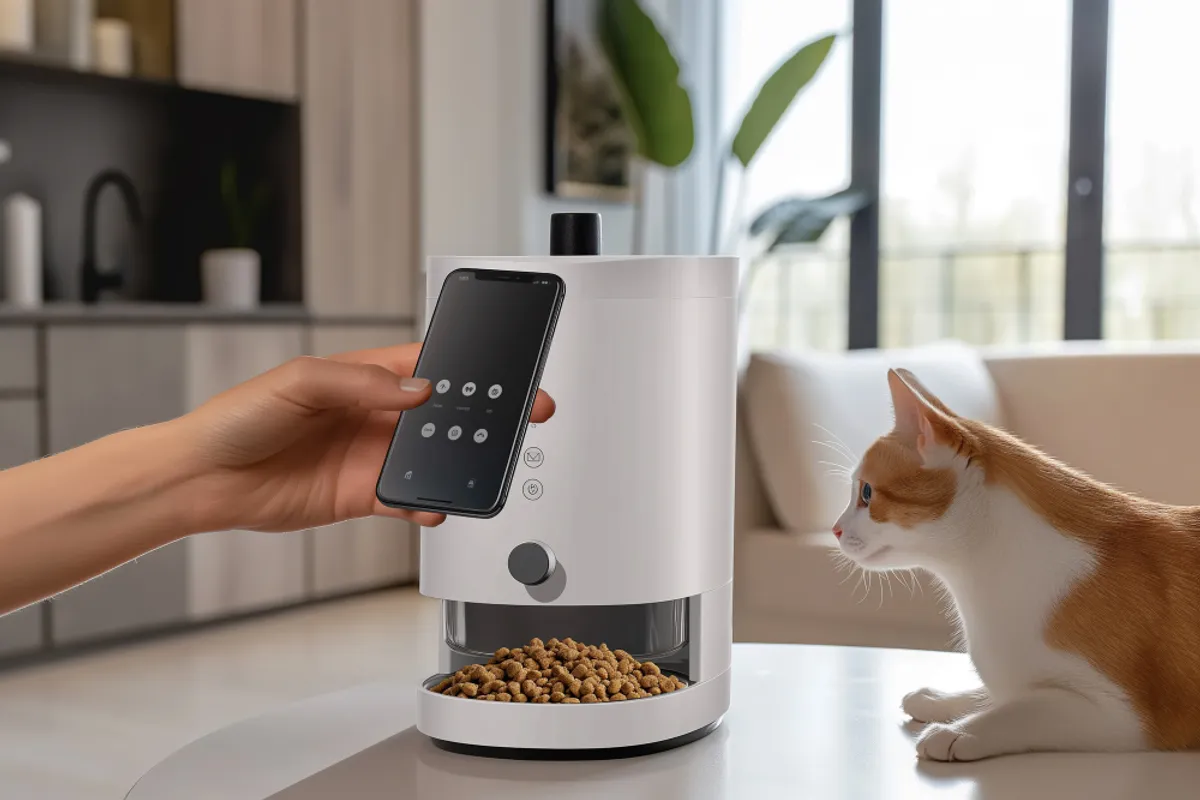
At its core, a smart pet feeder is a Wi‑Fi‑enabled or Bluetooth‑enabled food dispenser that allows owners to schedule feeding times and portion sizes remotely. Unlike basic automatic feeders that rely on mechanical timers, smart feeders integrate sensors, connectivity modules and sometimes cameras to deliver real‑time control and feedback. Modern devices feature smartphone apps for programming feeding schedules, push‑notification alerts when supplies are low and the ability to adjust portion sizes on the go. Some feeders integrate with digital voice assistants such as Amazon Alexa, enabling hands‑free commands. Advanced models also offer two‑way audio, video monitoring and feeding analytics, giving owners insight into their pet’s consumption patterns.
Key Features
- Remote scheduling and portion control. Smartphone apps allow owners to set meal times and portion sizes to manage dietary needs. According to market research, feeders with connectivity features are gaining traction because they let owners monitor and manage pet activities remotely.
- Integration with voice assistants and IoT ecosystems. Smart feeders support voice commands through services like Amazon Alexa, enabling hands‑free feeding. Integration with smart‑home platforms also provides real‑time notifications and remote diagnostics.
- Cameras and two‑way audio. Built‑in cameras and microphones allow owners to watch their pets during meals and speak to them, which fosters engagement.
- Sensors and analytics. Smart sensors track consumption, detect when food runs low and provide data for health monitoring. Some models offer feeding analytics to identify missed meals or appetite changes.
- Backup power and reliability. Many feeders have battery backups that allow them to operate during power outages. For example, the Whisker Feeder Robot includes a backup battery (sold separately) that powers the device for up to 24 hours.
Why Are Smart Feeders Trending?
Convenience for Busy Lifestyles
Urban professionals often juggle long work hours, travel and social commitments. Automatic feeding removes the uncertainty of whether a pet has been fed. Articles on the subject explain that for work‑from‑home professionals, frequent travelers and family caregivers, smart feeders synchronize meal times with busy schedules, eliminating the need to rely on neighbours or pet sitters. In product tests, reviewers noted that the ability to adjust feeding schedules from anywhere and even send a snack remotely was one of the main reasons high-end feeders were worth their premium price. This remote control offers peace of mind for owners who cannot be physically present at meal times.
Precision Nutrition and Health Awareness
Pet obesity is a growing concern, and overfeeding is one of the leading causes. Smart feeders enable programmed portion control, strict adherence to timed schedules and personalized meal planning. Because these devices can measure exact servings, they help prevent overeating and support healthy weight management. Real‑time monitoring alerts owners if a pet misses a feeding, which could indicate a health issue. As health awareness grows, pet owners increasingly seek devices that support wellness and dietary management.
Pandemic‑Driven Adoption
During the COVID‑19 pandemic, pet adoption surged worldwide. As work and travel resume, many new pet parents rely on technology to ensure their animals are cared for even when they are away. This shift has accelerated the adoption of smart feeders as part of the broader trend toward pet humanization and connected lifestyles.
Integration with Smart Home Ecosystems
Smart feeders integrate easily with the growing ecosystem of connected home devices. Research notes that the popularity of Wi‑Fi‑enabled models stems from their advanced features and seamless remote management capabilities, including video monitoring, health tracking and voice interaction. Integration with Amazon Alexa, Google Home and Apple HomeKit offers voice control and unified notifications. As IoT technologies become mainstream, pet owners expect their feeders to function as part of a broader smart‑home ecosystem.
Rising Pet Ownership and Humanization
Pet ownership rates continue to climb globally. In the United States, pet ownership surged significantly in recent years, according to the American Pet Products Association. The North American smart pet feeder market alone grew steadily between 2024 and 2025. People now treat their pets like family members and are more willing to invest in premium products that improve quality of life. Rising disposable incomes in Asia‑Pacific and Europe are also fuelling market expansion.
Technological Innovation
Manufacturers constantly innovate, adding AI and biometric features that tailor feeding routines to individual pets. The integration of AI and IoT allows feeders to adjust according to eating habits and health requirements, provide automatic food level alerts and support multi‑pet recognition. New sensors maintain food freshness, detect clogs and notify owners of mechanical issues. This constant innovation keeps the category dynamic and attractive to tech‑savvy consumers.
Market Overview
Global Market Size and Growth Rate
Analysts forecast strong growth for the smart pet feeder market. A 2025 market report states that the market will grow from US$1.72 billion in 2024 to US$1.96 billion in 2025, representing a compound annual growth rate (CAGR) of 13.9 %. The same report predicts the market will reach US$3.12 billion in 2029 with a CAGR of 12.4 %. Another study values the market at US$2.61 billion in 2025 and projects it to surpass US$6.91 billion by 2034, growing at 11.44 % annually. The minor differences reflect varied methodologies but all studies agree on rapid growth.
Regional Insights
North America currently dominates revenue due to high pet ownership and early adoption of technology. Market research identifies North America as the largest market in 2024, while other studies note that Asia‑Pacific led the market that year, with North America expected to grow fastest. Rising disposable incomes and digital infrastructure in Asia–Pacific, particularly China and Japan, support widespread adoption. Europe and Latin America are also showing significant growth as e‑commerce platforms make smart feeders more accessible.
Market Segmentation
Smart feeders are segmented by product, pet type, connectivity and distribution channel. Analysts outline two main product categories – automatic smart feeders (Wi‑Fi enabled, programmable and voice‑controlled) and smart pet feeders (app‑controlled, portion control and interactive). Studies add segments such as Wi‑Fi-enabled feeders, camera-equipped feeders, app-controlled feeders, voice-controlled feeders, and interactive feeders. Wi‑Fi feeders dominate because they offer real‑time connectivity, while camera‑equipped feeders are the fastest‑growing segment. Products with capacities between 3 litres and 5 litres appeal to multi‑pet households. On the connectivity side, Wi‑Fi models hold the largest share, but Bluetooth and cellular feeders are gaining traction in areas with limited internet access.
By application, pet healthcare and nutrition management account for most sales, followed by communication and entertainment, owner convenience and pet safety. Distribution channels include e‑commerce platforms, specialty pet stores, supermarkets and veterinary clinics. The online segment is growing quickly thanks to the convenience of comparing features and reading reviews.
Key Players and Competitive Landscape
Major companies include Pets at Home Group, Godrej Agrovet, Tuya Global, Petlibro, Radio Systems, PetSafe, Xiaomi, Petkit, and automated pet care companies like Whisker (Feeder‑Robot). Chinese manufacturers such as Xiaomi and Petkit drive innovation at the affordable end of the market, while U.S. firms like Radio Systems (PetSafe) and Automated Pet Care Products (Whisker) offer premium solutions. Competition encourages features like reliability, portion accuracy, user‑friendly apps and after‑sales service.
Considerations When Choosing a Smart Feeder
Feeding Reliability and Portion Accuracy
A feeder must dispense food reliably and consistently. Consumer product testers emphasize that precise programming ensures meals are delivered at the right time and in the correct amounts. The best devices handle different kibble sizes without jams and offer manual override for special treats.
Connectivity and App Functionality
Decide whether you need Wi‑Fi, Bluetooth or cellular connectivity. Wi‑Fi feeders provide the most features but require stable internet; Bluetooth is reliable for short‑range control; cellular models work in areas without home internet. The app should be intuitive, allowing schedule adjustments, feeding logs and notifications. Reviewers have noted that the ease of updating feeding schedules remotely is a key benefit.
Capacity and Pet Size
Feeders range from 1‑litre units for cats to 5‑litre models for large dogs or multiple pets. Research notes that 3 L–5 L feeders dominate because they reduce refill frequency and suit multi‑pet homes. Larger feeders often include features like food shortage reminders and backup power.
Power Supply and Backup
If you live in an area with unreliable electricity, choose a feeder with battery backup or both AC and DC power options. Some reviews highlight that a backup battery powering the feeder for 24 hours is crucial for peace of mind during outages.
Ease of Cleaning and Maintenance
Look for removable, dishwasher‑safe bowls and hoppers. Simpler mechanical designs are less prone to clogs. Some feeders require resynchronization after battery changes or daylight saving time adjustments.
Camera and Interaction Features
If remote monitoring and interaction are important, opt for camera‑equipped feeders with two‑way audio. They allow you to see your pet and talk to it, which can be comforting for both owner and animal. However, cameras increase the cost and may raise privacy considerations. Balance your desire for features with budget and security concerns.
Price and Value
Advanced smart feeders can cost significantly more than basic models. Some market reports note that high prices remain a barrier for price‑sensitive consumers. Evaluate whether features like AI, video and voice interaction justify the expense. Basic automatic feeders without connectivity still meet many pets’ needs at a lower cost.
Opportunities and Challenges Ahead
Opportunities
- Health‑focused innovations. AI algorithms could analyze feeding data, correlate with wearable devices (activity trackers, smart collars) and personalize diets. This presents opportunities for collaborations between pet tech companies, veterinarians and nutrition experts.
- Integration with pet insurance and telehealth. Smart feeders could share feeding data with tele‑vets, facilitating remote consultations and early detection of health issues.
- Expanding into services. Subscription models may bundle feeders with automatic food delivery, pet‑sitting services and health monitoring apps.
- Emerging markets. Rapid urbanization in Asia, Latin America and Africa will create new customer bases as incomes rise and digital infrastructure improves.
Challenges
- Privacy and data security. Wi‑Fi feeders collect data about feeding times and sometimes capture video. Manufacturers must implement robust encryption and privacy policies.
- Affordability. The high cost of sophisticated feeders limits adoption among price‑sensitive consumers. Manufacturers may need to produce mid‑range models with essential features to broaden appeal.
- Device reliability. Mechanical failures, jamming and connectivity issues can undermine trust. Brands must prioritize reliability and customer support.
- Environmental concerns. Smart feeders rely on plastics and electronics. Sustainable materials and end‑of‑life recycling options could become important differentiators.
Conclusion – Why AutoFeederLab Matters
Smart pet feeders exemplify how technology can address the realities of modern life. For busy urban pet owners and professionals, these devices provide convenience, precision nutrition and peace of mind. They are part of a broader movement toward pet humanization, connected living and data‑driven health management.
AutoFeederLab was founded to help pet owners navigate this fast‑evolving landscape. Our mission is to test smart feeders, explain their features and limitations, and guide you toward solutions that suit your lifestyle. As global demand grows – with the market projected to surge from US$1.96 billion in 2025 to US$3.12 billion by 2029, and potentially US$6.91 billion by 2034 – we will continue to track emerging technologies and advocate for reliability, health and affordability.
By understanding how smart feeders work and why they are trending, you can make informed decisions that benefit both you and your pets. Whether you need a basic scheduled feeder or a fully connected device with cameras and AI, the options are expanding rapidly. Welcome to AutoFeederLab – your trusted companion in the world of smart pet care.