Accessory Round‑Up: Slow Feeder Bowls, Puzzle Feeders and Treat Dispensers
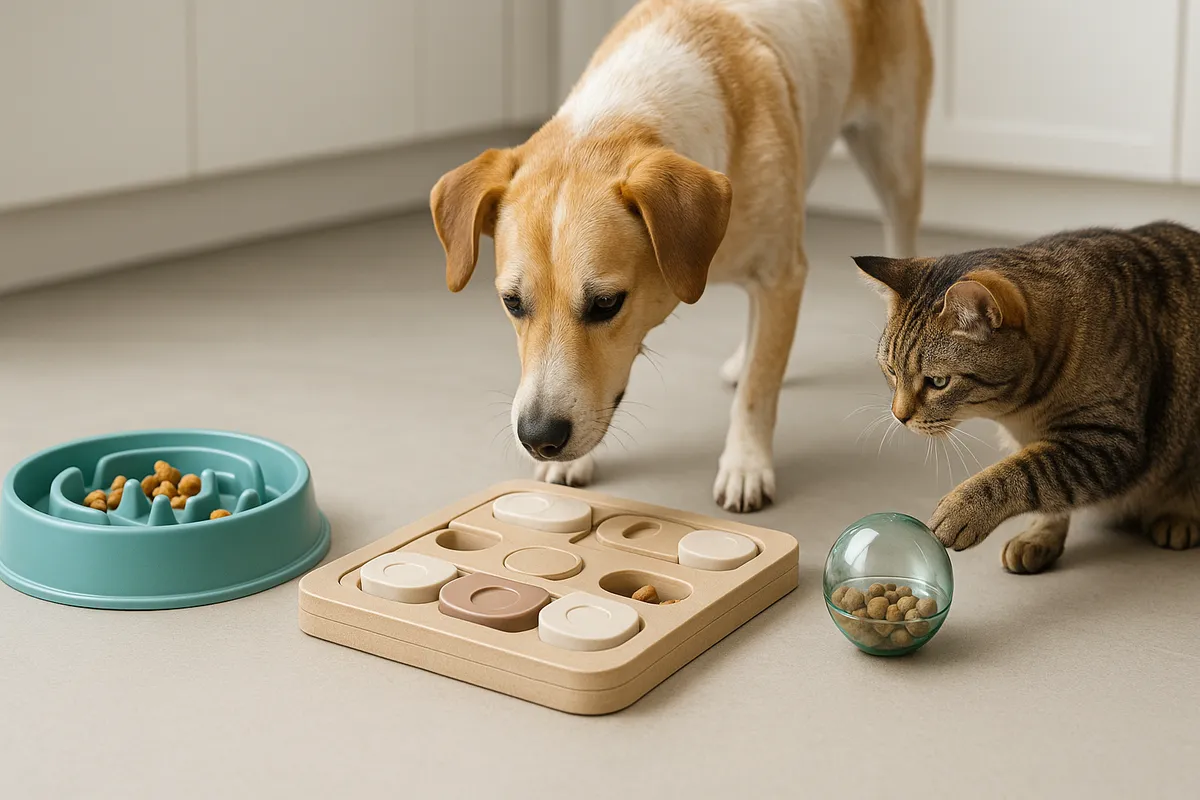
Busy city living doesn’t always allow for leisurely mealtimes, and that goes for our pets, too. If you’ve ever watched your dog inhale an entire bowl of kibble in seconds or seen a bored cat yawn over its food dish, you know how far we’ve come from the natural rhythms of hunting and foraging. Fortunately, the pet‑tech boom hasn’t stopped at automatic feeders. A new generation of feeding accessories—slow feeder bowls, puzzle feeders and treat dispensers—promises to enrich your companion’s life while relieving the guilt of being away. This guide will help you choose the right tools to complement your automatic feeder and keep your pet happy, healthy and mentally engaged.
Why slow down mealtime?
Slow feeders are cleverly designed bowls, mats or inserts with ridges, mazes and pockets that force your pet to work around obstacles to access food. According to Messy Mutts, a slow feeder “is a dog food bowl or mat that has multiple obstacles that the pup needs to get around to reach their food”. These obstacles turn a meal into a game, slowing consumption and reducing the risk of gulping air. When dogs gulp their food, they ingest large amounts of air along with kibble, which can lead to choking, vomiting and gastrointestinal discomfort. Large dogs that eat too quickly are at particular risk of bloat, a dangerous twisting of the stomach. Slow feeder bowls provide a simple mechanical solution: they slow the pace, give time for proper chewing and digestion and prevent the ingestion of excess air.
Many slow feeders double as enrichment tools. Messy Mutts notes that the process of navigating ridges and pockets “turns meal times into a kind of puzzle,” providing mental stimulation and reducing boredom. This replicates natural foraging behaviour, encouraging dogs to use their noses and problem‑solving skills to find food. When pets are mentally engaged, they are less likely to develop destructive habits or overeat.
Top slow feeder picks
Because slow feeders come in many shapes and materials—from plastic mazes to ceramic ridged bowls—it’s worth choosing one suited to your pet’s size and eating style. Vetstreet’s 2024 roundup lists the Outward Hound Fun Feeder Slow Bowl as its best overall pick. The bowl comes in multiple sizes and colours, is made from BPA‑, PVC‑ and phthalate‑free plastic, and has a non‑slip base. It can be used with dry or wet food and holds up to five cups of kibble. Its brightly coloured maze design encourages dogs to slow down, and it’s dishwasher safe for easy cleaning.
For large breeds, Vetstreet recommends the Neater Brands Slow Feed Pet Bowl, which features a “mountain range” design with twenty‑five pockets that distribute food evenly, challenging dogs without causing frustration. This U.S‑made bowl can be elevated by snapping it into a base or adding leg extensions, making it versatile for tall dogs, and it holds up to six cups of food. A third option for flat‑faced breeds is the Leash Boss Flat Face Feeder: its shallow pockets and gentle incline allow brachycephalic dogs such as Bulldogs and Pugs to reach their food without struggling.
While slow feeders offer many benefits, there are a few considerations. Messy Mutts warns that some pets may become frustrated and bite the bowl’s barriers, risking tooth damage, especially if the feeder is made from hard plastic. Choose a slow feeder made of durable yet pet‑safe materials and supervise your pet until they get used to it. Also, ensure the obstacles aren’t too challenging; the goal is to slow eating, not to cause frustration.
Puzzle feeders: combining mental stimulation with nutrition
Puzzle feeders—also called interactive feeders—make pets earn their food through problem‑solving and dexterity. The VCA Animal Hospitals describe them as “feeders [that] are puzzles that require brain power and dexterity to solve,” rewarding the pet with food for successfully completing a task. These tasks mimic hunting and foraging instincts by making the animal think and work for a snack. Puzzle feeders come in various designs and difficulty levels, from simple chew toys with hidden kibble to intricate games with sliding panels, pegs or electronic touch pads. Some require dogs to lift bricks, push pegs aside or paw at different coloured lights to receive a treat.
Puzzle feeders provide mental stimulation and physical exercise, which can alleviate boredom and behavioural problems. When pets are left alone with nothing to do, they may become destructive or anxious. The VCA notes that interactive feeders “may relieve the boredom and help with behaviour issues” and can also help pets with separation anxiety. By providing only small portions of food at a time, puzzle feeders can also prevent overeating and weight gain. Additionally, these feeders slow down pets that gulp their food, helping to reduce regurgitation, bloat and vomiting.
Types of puzzle feeders
Puzzle feeders vary widely. Simple rubber toys with holes or pockets hide kibble or treats and bounce unpredictably when rolled, appealing to a dog’s instinct to chase and chew. Toys like the Swedish “Dog Brick” hide treats under pieces that must be lifted or moved; some bricks can be locked to increase difficulty. More advanced electronic puzzle feeders use touch pads and coloured lights; the pet must learn which pad produces a treat, and the owner can increase difficulty via a mobile app. Cats have their own puzzle feeders: fishbowl‑shaped containers that require pawing, tunnel feeders with hidden “mouse holes,” and flexible tubes that hide food. Snuffle mats encourage pets to root through fabric to find hidden kibble.
Many puzzle feeders are designed to be species‑agnostic; for example, a simple vinyl ball with kibble pockets can be enjoyed by cats and dogs. For more complex feeders, choose one appropriate for your pet’s skill level and monitor them during use. Start with an easier puzzle and gradually increase difficulty to maintain interest.
Top puzzle feeder picks
The Spruce Pets’ 2025 list of best puzzle toys highlights the Outward Hound Hide N Slide Puzzle as its best overall dog puzzle. Made from a durable composite of wood and plastic, it has no removable parts, making it safe for unsupervised play. Dogs must slide panels to reveal hidden compartments, and the non‑slip backing keeps the toy in place. The Hide N Slide is graded as a level two puzzle, offering moderate difficulty—enough to slow down mealtime and stimulate dogs of all sizes.
Another puzzle feeder is the Outward Hound Activity Matz Garden Game Puzzle Mat, a snuffle mat with multiple pockets and flaps that hide treats. Snuffle mats encourage foraging behaviour and are washable for easy cleaning. For treat ball enthusiasts, the Planet Dog Treat Dispensing Dog Toy rolls unpredictably and dispenses treats as the pet pushes and chases it. The KONG Classic Dog Toy, though not technically a feeder, can be stuffed with kibble or peanut butter and frozen, turning it into a long‑lasting puzzle that also satisfies chewing instincts.
Treat dispensing toys and remote pet cameras
Treat‑dispensing toys take the concept of puzzle feeders a step further by focusing on reward rather than full meals. Life’s Abundance describes treat‑dispensing toys as tools that activate a dog’s cognitive side by “challenging your pup to figure out how to get their reward”. Some toys are simple—requiring just a few nudges and chews—while others are more elaborate, incorporating patterns or actions to release the treat. These toys are not just mentally stimulating: chewing strengthens jaw muscles, promotes healthy chewing habits and can help reduce plaque buildup.
Treat dispensers also provide physical exercise. Toys shaped like balls or oblong shapes bounce unpredictably, encouraging dogs to chase and nudge them. The combination of mental and physical stimulation makes treat‑dispensing toys invaluable during gatherings or when you’re away; stuffing the toy before dinner can keep pets engaged and prevent them from begging or getting into trouble. For dogs with separation anxiety, a treat‑dispensing toy offers a comforting distraction when the owner leaves.
When choosing a treat‑dispensing toy, Life’s Abundance suggests looking for durable, non‑toxic materials, engaging shapes that bounce unpredictably, adjustable difficulty levels and dishwasher‑safe construction. Always supervise your pet when introducing a new toy, and select the appropriate size to avoid choking hazards.
Remote treat dispensers and cameras
The pet gadget market has evolved beyond simple toys. Remote treat dispensers integrate cameras, microphones and smartphone apps to allow owners to interact with pets from anywhere. Technobark’s 2023 review of treat‑dispensing cameras lists the key criteria considered during testing: treat‑dispensing technology, viewing angles, motion detection, interaction abilities (such as two‑way audio), video quality, app integration and product support. Among the top devices, the Furbo 360° Dog Camera earned the #1 spot. It features a treat‑dispensing mechanism designed specifically for dogs, a 360‑degree rotating view, motion detection, dog‑facing detection, 1080p HD resolution with colour night vision and a two‑way microphone. Owners receive real‑time smart alerts when the camera detects movement or barking, and the device works with a variety of training treats.
Another top pick is the Petcube Bites 2. This high‑definition camera provides both live and recorded video, with a 160‑degree wide‑angle view, two‑way audio, night vision and 4x zoom. It holds up to 100 small, dry treats and flings them at varying distances; owners can even schedule automatic treat dispensing. Motion and sound detection triggers video recordings, and the device sends alerts for barking, meowing and even intruders. While these advanced cameras can be expensive and may require subscriptions for cloud storage, they offer unparalleled peace of mind for owners who travel frequently or work long hours.
Tips for safe treat dispensing
Though treat dispensers are fun, it’s important to use them responsibly. Always choose appropriately sized treats to avoid choking, supervise your pet during play, and inspect toys regularly for wear and tear. For remote treat cameras, ensure your home’s Wi‑Fi network is secure and update the device’s firmware to protect your privacy. Finally, treat dispensers should complement, not replace, regular interactive play and training; pets still need human interaction for emotional well‑being.
Choosing the right accessory for your pet
With so many options, how do you choose the right accessory? Start by assessing your pet’s eating habits and daily routine:
- Fast eaters: If your dog or cat gulps food and shows signs of discomfort or vomiting, a slow feeder bowl can slow them down, reduce air ingestion and encourage chewing. Choose a design appropriate for your pet’s size and snout shape; flat‑faced breeds may benefit from shallow, inclined pockets.
- Bored or overweight pets: Puzzle feeders and interactive toys provide mental stimulation and portion control, turning mealtime into a game. They mimic natural foraging behaviour and can help curb destructive behaviours and over‑eating. Start with simple puzzles and gradually increase difficulty.
- Separation anxiety: Treat‑dispensing toys and remote treat cameras can offer comfort and distraction when you’re away. The ability to watch your pet, talk to them and dispense treats remotely helps ease anxiety and keeps them engaged. These devices can also double as home security systems, alerting you to motion or sounds.
- Multiple pets or cats: Look for puzzle feeders or treat toys that can handle dry or wet food and have adjustable difficulty levels. Snuffle mats and treat balls are great for cats and dogs alike.
Remember that no single accessory fits all pets. Consider your pet’s age, health, chewing strength and mental acuity when selecting a product. If you’re unsure, consult your veterinarian or a pet behaviourist, and always introduce new feeding tools gradually.
Conclusion
Feeding your pet is more than just filling a bowl; it’s an opportunity to engage their instincts, stimulate their minds and improve their health. Slow feeder bowls, puzzle feeders and treat dispensers each offer unique benefits: slow feeders reduce the risk of choking and bloat, puzzle feeders challenge problem‑solving skills and alleviate boredom, and treat dispensers provide mental and physical stimulation while keeping pets occupied. When paired with automatic pet feeders, these accessories create a holistic feeding routine that suits the busy lifestyles of modern pet owners. By choosing the right combination for your pet’s needs, you can ensure every meal is safe, satisfying and fun.